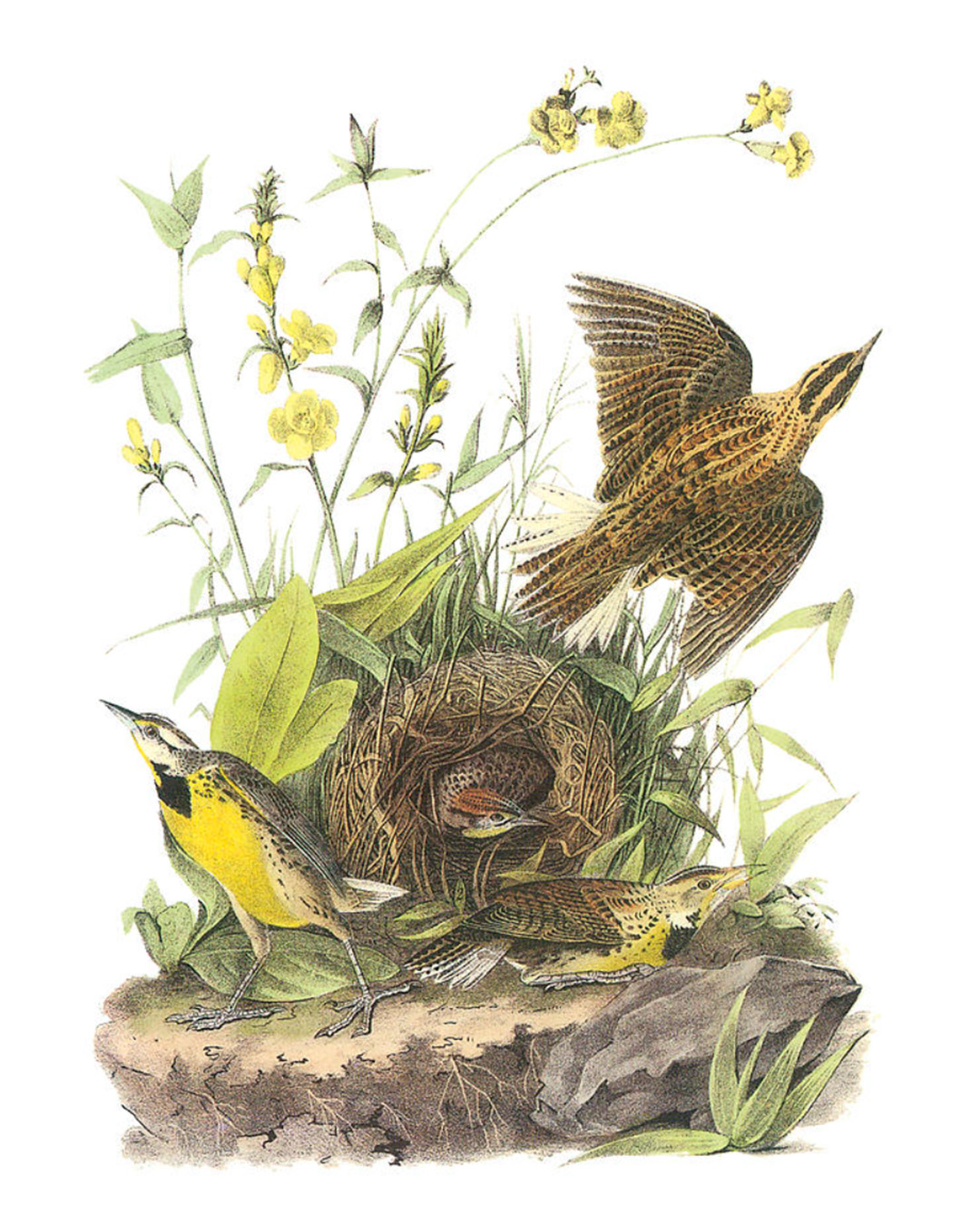
MORRISTOWN, NJ, UNITED STATES, July 2, 2026 /EINPresswire.com/ — In a new project celebrating America’s artistic heritage, Morris Museum presents original, hand-colored prints from John James Audubon’s “Birds of America” (1827–1838), from the private collection of New Jersey philanthropists and art collectors Dr. Michael and Elyn Stubblefield. With automata from the renowned Murtogh D. Guinness Collection, “Audubon Songbirds from the Dr. Michael and Elyn Stubblefield Collection” opened on June 26 and is on view through November 2026 in the Museum’s Bickford Gallery. Once again, the meaningful pairing of excellent cultural objects of different media, creates an opportunity for visitors to come closer to the outstanding elegant folio.
“John James Audubon… was undeniably ambitious and perseverant in the face of almost unimaginable obstacles in his quest to publish Birds of America,” said Dr. Michael Stubblefield. “I am fascinated by what it must have been like to be a naturalist during Audubon’s time. How challenging it must have been to collect and identify the hundreds of species that Audubon illustrated.”
Audubon’s bird portraits, printed from engraved copper plates and hand-colored under his direct supervision, are among the most recognizable images in American art. Placed alongside automata built to simulate birdsong, the exhibition reveals a 19th-century drive to capture, intellectually control, and categorize the natural world and bring the marvel of nature into salons and schools alike.
John James Audubon (1785–1851) was born in Saint-Domingue (present-day Haiti), raised partly in France, and spent much of his adult life moving through the American wilderness with a rifle, a sketchpad, and an almost reckless sense of purpose. He shot the birds he painted, posed them on wires to simulate living attitudes, and worked at a scale — his original watercolors were made to fit double-elephant folio pages, roughly 26 by 39 inches — that no natural illustrator before him had attempted. The Birds of America, produced in installments between 1827 and 1838 with London engraver Robert Havell Jr., eventually comprised 435 hand-colored plates depicting 497 species. Fewer than 120 complete sets are known to survive. Audubon was a complicated figure: enslaver, occasional fabulist, and relentless self-promoter. He was also, by any measure, one of the most gifted observer-artists the country has produced.
About the Morris Museum
The Morris Museum thrives as the region’s premier engine of curiosity and wonderment. Founded in 1913 and located on 8 acres in Morris Township, New Jersey, since the mid-1960s, the museum draws visitors across the region to its dynamic and acclaimed art exhibitions program and performing arts events. Its 45,000+ object collection of art and material culture from around the world joins the art of our time in displays throughout the Museum’s purpose-built spaces and within the historic Twin Oaks mansion, designed by McKim, Mead & White. The Morris Museum: from everywhere, for everyone.
Marcus Romero
Morris Museum
+1 973-971-3728
email us here
Visit us on social media:
LinkedIn
Instagram
Facebook
YouTube
Legal Disclaimer:
EIN Presswire provides this news content “as is” without warranty of any kind. We do not accept any responsibility or liability
for the accuracy, content, images, videos, licenses, completeness, legality, or reliability of the information contained in this
article. If you have any complaints or copyright issues related to this article, kindly contact the author above.

Media gallery